Parental Leave in Japan 2026
Your Updated Rights and How to Plan
LIFE IN JAPAN
1/16/20264 min read
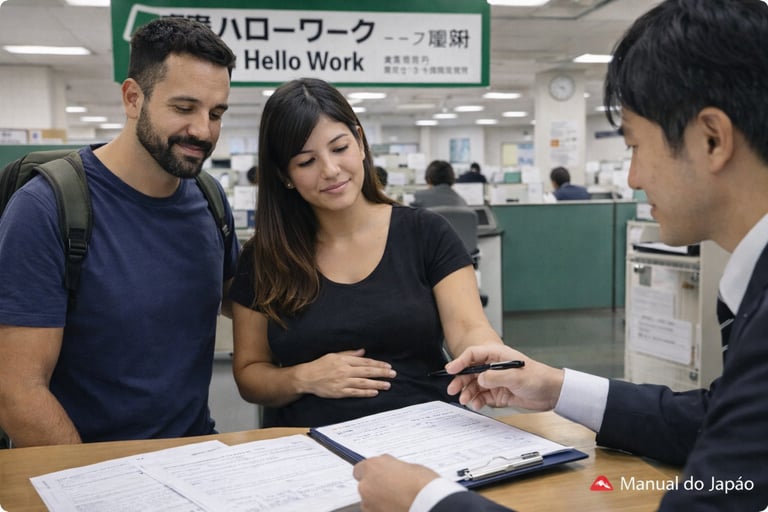
The news of a pregnancy in Japan is a joyous moment, but also one of practical doubts: “How much leave am I entitled to? Is my salary paid in full? Could my visa be affected?”. With constant changes in Japanese labor law, it's crucial to be informed with the latest data.
This Manual do Japão guide clearly and practically explains everything about maternity leave (産休 - sankyū) and paternity/parental leave (育児休業 - ikukyūkyū) in 2026, including new government incentives to increase father participation. Plan safely to welcome your child in Japan.
Legal Basis: Your Rights Guaranteed by Law
The Japanese system is robust and protects the pregnant woman and newborn. Key rights come from the Health Insurance Act (健康保険法) and the Labor Standards Act (労働基準法).
1. MATERNITY LEAVE (産休 - Sankyū)
This leave is an absolute right of every employed pregnant woman, regardless of contract type or tenure.
Total Period: Up to 14 weeks.
Pre-Natal Leave (産前休業 - Sanzen kyūgyō): 6 weeks before the expected due date. The woman can choose to work closer to the date if she wishes and with medical approval.
Post-Natal Leave (産後休業 - Sango kyūgyō): 8 weeks after childbirth. The law prohibits women from returning to work before completing 8 weeks, even if she wants to.
Compensation: During maternity leave (sankyū), the employer is not obligated to pay salary. However, the woman is entitled to receive Maternity Leave Allowance (出産手当金 - Shussan teatekin) from her health insurance (健康保険), which corresponds to ⅔ of her average daily wage for each day of leave.
2. PATERNITY / PARENTAL LEAVE (育児休業 - Ikukyūkyū)
This is the leave that can be taken after the mandatory maternity leave ends, by either parent (or both, alternately), until the child is 1 year and 2 months old (can be extended in some cases). This is where the major changes and incentives for 2026 lie.
Eligibility: Registered employees (正社員) and, in many cases, fixed-term contract workers (契約社員) who have contributed to employment insurance for a certain period. Attention: Some types of specific work visas may have restrictions. Consult your employer.
Duration: Each parent is entitled to up to 12 months of leave, which can be split. The government encourages both parents to take leave.
Compensation (Parental Leave Benefit - 育児休業給付金 - Ikukyūkyū kyūfukin): Paid by Employment Insurance (雇用保険 - Koyō hoken).
📊 How it's Calculated: The benefit amount is calculated based on your average gross salary from the last 6 months before the leave starts. Understanding this is crucial for planning.
First 180 days: 67% of the average gross salary.
From the 181st day: 50% of the average gross salary.
There is a maximum cap for the calculation.
🚨 FINANCIAL WARNING: Benefits are DELAYED and the Real Costs of Childbirth
⚠️ Critical Attention: The benefit payment (both Shussan Teatekin and Ikukyūkyū Kyūfukin) is processed after the leave starts and often takes 2 to 3 months to be deposited into your account. You MUST have a cash reserve to cover your fixed expenses (rent, utilities, food) during this waiting period.
Crucial Financial Planning (Realistic 2026 Scenario)
Having a baby has high and unpredictable costs in Japan. Plan with this realistic estimate:
Real Childbirth Cost (出産費用 - Shussan hiyō): The government lump-sum (出産育児一時金 - about ¥500,000) does not always cover all childbirth expenses. The final amount depends critically on:
Location: Private or public hospital? Private or shared room?
Type of Birth: Natural birth, C-section (which is significantly more expensive), or with epidural (無痛分娩).
Complications: If there are any maternal complications (before or after) or baby complications (during or after birth, like NICU need), costs can skyrocket to over ¥1,000,000.
Baby's Health: Healthy babies discharged quickly have lower costs.
Recommended Financial Reserve: As a precaution, it is highly recommended to save at least ¥600,000 before getting pregnant. This reserve will be used to:
Cover the childbirth cost difference not paid by insurance.
Buy basics for the baby (crib, stroller, clothes, diapers).
Pay for extra check-ups and tests that may be charged. Obtaining the discount vouchers from the city hall can take time, and depending on the pregnancy's progression (e.g., high-risk pregnancy, need for genetic or special monitoring tests), several exams may be private and costly.
Salary Strategy (Important!): Remember that the Parental Leave Benefit is based on the last 6 months of gross salary. If possible, avoid drastically reducing your hours or income in the half-year preceding your leave, so that the benefit calculation reflects your actual income.
Before Leave: Accumulate paid leave days (有給休暇 - Yūkyū kyūka) to use at the start of your leave, supplementing income during the benefit delay period.
Return to Work: Daycares (保育園 - Hoikuen) have waiting lists. Apply urgently at the city hall as soon as the pregnancy is confirmed.
Immediate Action Checklist (Upon Discovering Pregnancy)
Inform Your Employer: As soon as you go to the doctor and confirm the pregnancy, formally notify your employer and request the leave application forms.
Visit City Hall (区役所 / 市役所): Register the pregnancy, request the Mother and Child Health Handbook (母子手帳 - Boshi techō), and apply for daycare. Ask about local discounts and subsidies.
Contact Health and Employment Insurance: To apply for Shussan Teatekin and inquire about Ikukyūkyū Kyūfukin. Ask about the estimated payment timeframe and confirm the salary basis for calculation.
Consult a Specialist (if needed): For doubts about visas and specific labor rights for foreigners.
Conclusion: A Right to Be Exercised with Planning and Savings
Maternity and paternity leave in Japan in 2026 is a strong right, but one that requires meticulous financial planning. For Brazilians, the key is:
Building a solid reserve (of at least ¥600,000) BEFORE to avoid stress.
Understanding that benefits are delayed and childbirth costs can exceed government aid.
Knowing that the parental leave amount depends on your last 6 months of salary and planning your income accordingly.
Pursuing bureaucratic procedures as early as possible.
Having a child in Japan can be a wonderful and secure experience, as long as you empower yourself with information, planning, and a financial reserve that acts as your primary support in the first and most expensive months.
Even if you follow all the steps correctly, unfortunately, unfair dismissals of pregnant women and parents who request parental leave are still very common. If this happens, access the post we made on this subject by clicking here.
#MaternityLeaveJapan #PaternityLeaveJapan #PregnancyInJapan #ChildbirthCostJapan #FinancialReserve #BraziliansInJapan #Ikukyukyu #Sankyu #FamilyPlanningJapan #ManualDoJapao #ParentalBenefitCalculation