Complete Guide to Waste Separation in Japan
This Manual do Japão guide will simply explain the basic principles, how to dispose of special items (like furniture and electronics), and where to find information specific to your city.
LIFE IN JAPAN
1/8/20263 min read
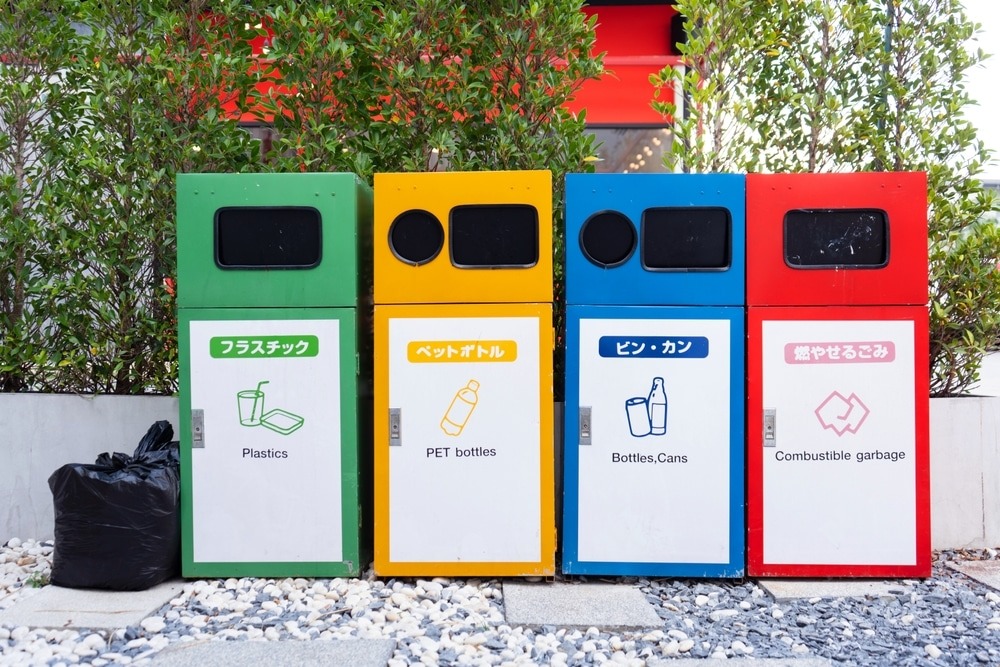
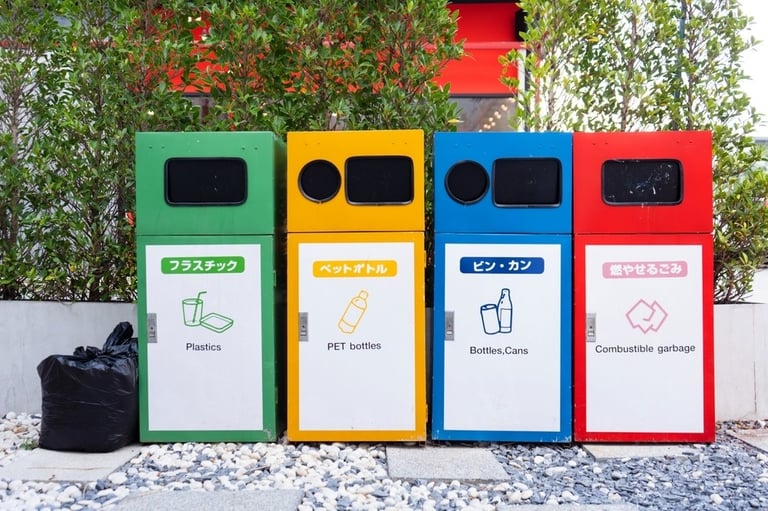
If you've just arrived in Japan, one of the first and most impactful cultural differences you'll face is the rigid waste separation system. It's normal to feel lost at first — in Brazil, we usually separate between recyclable and organic, but here in Japan each municipality has its own detailed rules, almost like a "waste instruction manual". But don't worry: with information and practice, it all becomes routine.
The Basic System: Know the Main Categories
Although details vary, separation generally follows this logic in much of the country:
燃えるゴミ (Moeru Gomi) - Combustible/Burnable Waste: Food scraps, dirty paper, thin wood, leather, rubber, and plastics that don't fit into recycling (like dirty packaging). This is the most common, collected twice a week.
燃えないゴミ (Moenai Gomi) - Non-Combustible Waste: Small metals (cans, pots), glass, ceramics, and some hard plastics. Note: batteries and flammable liquids do NOT go here! Usually collected once a month.
資源ゴミ (Shigen Gomi) - Recyclable Waste/Resources: Here separation is detailed:
PETボトル (Pet Bottoru): Plastic beverage bottles. Rinse, remove the cap (goes to plastic) and the label.
びん (Bin): Glass bottles (beverages, sauces). Separate by color (透明 - clear, 茶色 - brown, その他 - other) if your city requires it.
缶 (Kan): Aluminum (soda) and steel (canned food) cans. Rinse.
プラスチック (Purasuchikku): Plastic packaging with the symbol ♳ or プラ. Wash and dry.
古紙 (Koshi) - Paper & Cardboard: Newspapers, magazines, cardboard boxes (flattened and tied).
粗大ゴミ (Sodai Gomi) - Bulky Waste: Anything that doesn't fit in regular bags. You cannot just leave it on the street! Requires scheduling and payment of a fee.
How to Dispose of Special Items (Step-by-Step)
This is what causes the most doubt. Follow these guidelines:
Furniture and Large Wood Items → Bulky Waste (粗大ゴ品):
Check your city hall (市役所 - shiyakusho) website to see if the item fits this category and the fee amount.
Buy the "Sodai Gomi Ken" (粗大ゴミ券) - a stamp of corresponding value - at a convenience store (konbini).
Stick the stamp on the item, schedule collection via phone or the city website, and leave it at the designated spot on the scheduled day and time.
Large Appliances and Electronics → Special Recycling Law:
Refrigerators, TVs, washing machines, and air conditioners are not common bulky waste.
You must take them to a store selling the new product (when replacing it) or to an authorized recycling center.
There will be a collection and recycling fee. The store or center will give you all instructions.
Flammable Liquids (Kerosene, Oil, Thinner) → DANGER! Never pour down the drain or throw in regular trash:
Take them to a Hazardous Waste Collection Center (有害ごみ収集施設 - Yuugai Gomi ShuuShuu Shisetsu). Consult your city hall to locate the nearest one.
For used cooking oil: let it solidify with specific products (売る油凝固剤 - abura gyōko-zai) or absorb it with paper, then dispose of it as 燃えるゴみ.
Metals (Large or in Quantity) → Recycling Center or Bulky Waste:
Large metal objects (like old bicycles) may be considered 粗大ゴ品. Follow the same scheduling and fee process.
For very large quantities (e.g., renovation), hire a private collection company (不用品回収業者 - fuyōhin kaishū gyōsha).
Batteries (The Easiest Item to Recycle!):
Small batteries (AA, AAA, watch/remote batteries): Dispose of them in specific collectors. They are in supermarkets, electronics stores (Edion, Yamada Denki), convenience stores, and even some buildings.
Laptop and cell phone batteries: Many stores that sell them also collect them. Ask at the counter.
To find the collection point CLOSEST to your home: Use the official website of the Japan Portable Rechargeable Battery Recycling Center (JBRC). It's very simple:
In the menu, select "協力店・協力自治体" (Cooperative Stores/Municipalities).
Choose your 都道府県 (Prefecture, e.g., Aichi).
Click "次へ" (Next) to see the complete list of locations in your area.
Golden Tips to Avoid Mistakes
The Guide is the Law: When you move, get the "Gomi Bunbetsu Annai" (ごみ分別案内) from city hall or the local koban (police box). Always have it on hand — it can be a pamphlet or a PDF on your phone.
Right Bags, Right Place: Use only the official waste bags (指定ゴミ袋 - shitei gomibukuro) from your municipality, sold in supermarkets. Place the waste at the designated spot by 8 a.m. on collection day.
Wash, Dry, and Flatten: The golden rule of Japanese recycling is cleanliness. Rinse packaging, dry it, and flatten it to save space.
In Doubt? Ask!: Neighbors, the landlord (家主 - jinushi), or coworkers are great sources of help. Showing a photo of the item you want to dispose of makes communication much easier.
I hope this guide is very useful for you, the reader! Remember that, in case of specific questions about your city, the local city hall website is always the most reliable source.
#WasteSeparation #Japan #SurvivalGuide #BraziliansInJapan #Recycling #Sustainability #JapanManual