Alternatives to Japanese Rice: What to Do About Rising Prices?
Alternatives to Japanese Rice in Times of High Prices
LIFE IN JAPAN
1/10/20263 min read


With the recent spike in the price of Japanese rice, many Brazilians in Japan are looking for more affordable options that maintain the essence of their meals. This Manual do Japão guide presents smart rice alternatives you can find in the Japanese market, helping to ease your budget without compromising on taste.
Why Is Japanese Rice More Expensive?
The price increase is due to a combination of factors:
Climate factors: Adverse conditions like droughts and excessive rain have affected production.
Increased costs: More expensive fertilizers, transportation, and energy.
Global demand: Growing international demand for high-quality Japanese rice.
Yen depreciation: Impacts those who buy imported products or send money to Brazil.
More Affordable Rice Alternatives
To save money, consider these rice options that are cheaper than traditional short-grain Japanese rice (japonica):
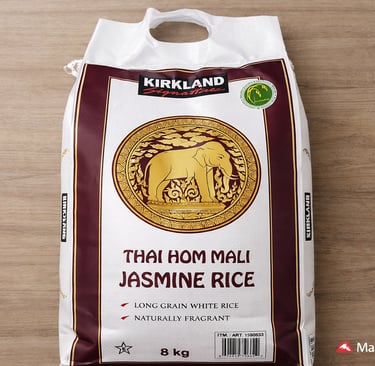
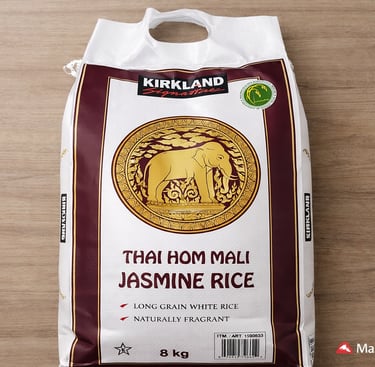
1. Thai Rice / Jasmine Rice
Why it works: It's a long-grain rice, fluffier and more fragrant, similar to the common rice consumed in Brazil. Ideal for those who miss the texture of Brazilian rice.
Advantage: It is generally significantly cheaper than premium Japanese rice (like Koshihikari) and comes in large packages.
Where to find: Available in large international supermarket chains, warehouse stores like Costco, and shops specializing in Asian products. Look for タイ米 (tai-gome) or ジャスミンライス.
2. Japanese "Second Grade" Rice or Rice from Other Regions
Why it works: Not all Japanese rice is expensive Koshihikari from Niigata. Other varieties (like Akita Komachi, Hitomebore) or common table rice (uruchimai) can be more economical alternatives.
How to identify: Look for larger bags (5kg, 10kg) and compare the price per kilo. Supermarket own brands (Aeon, Seiyu) are great options.
Tip: Uruchimai rice (the same type as sushi rice but of a different grade) is an excellent affordable and versatile option.
3. Mixed Rice (Blend) with Barley (麦飯 / Mugimeshi)
Why it works: It's not pure rice, but a traditional Japanese blend. Adding barley (mugi) to white rice is a classic way to "stretch" the rice, increase fiber content, and reduce the final meal cost.
Advantage: Barley is very cheap. A proportion of 20% barley to 80% rice creates a satisfying and economical dish.
Where to find: Barley (押し麦 / oshimugi) is sold in any supermarket, near the rice.
Smart Shopping Tips to Save on Rice
Buy in Bulk: In stores like gyomu super or during promotions, 5kg or 10kg bags offer much better value for money.
Compare Store Brands: Supermarkets like Aeon, Life, and Seiyu sell rice under their own brands, usually cheaper than famous brands.
Explore Markets and Shotengai: Local markets and traditional shopping streets may have interesting seasonal offers.
Consider Rice from Other Prefectures: Rice produced in Hokkaido, Akita, or Ibaraki may be more affordable than from more famous regions.
When Is the Swap Worth It?
Switching to a cheaper alternative is worth it when:
The price of your usual rice has risen more than 20%.
You are cooking for many people and need to control the budget.
You want to experiment with new textures and flavors in your daily diet.
Adapting to Different Textures
Thai/Jasmine Rice: Wash it well to remove excess starch and use a little less water than indicated for Japanese rice to get a fluffier grain.
Common Japanese Rice (Uruchimai): Follow the package instructions. The texture will be very close to the rice you already know, perhaps a bit less sticky.
Rice with Barley (Mugimeshi): Wash the rice and barley together. Use the same amount of water you would use to cook only the rice. The barley adds a pleasant chewiness.
Conclusion: Balance is Key
You don't have to give up rice in your Japanese diet. Instead, you can make smarter choices:
Use Thai or jasmine rice for dishes where its more neutral, fluffy flavor and texture are welcome.
Opt for large bags of supermarket own-brand Japanese rice for everyday meals.
Mix barley into your rice for a traditional, economical, and fiber-rich meal.
Remember: Cooking is about adaptation. Finding affordable alternatives to Japanese rice is a practical step towards a more financially peaceful life in Japan, without losing the pleasure of a good meal.
#JapaneseRice #RiceInJapan #SavingMoneyInJapan #JapaneseCuisine #BraziliansInJapan #FoodInJapan #MoneySavingTips #ManualDoJapao #ThaiRice #JasmineRice #CostcoJapan